What marbling is, and why it matters
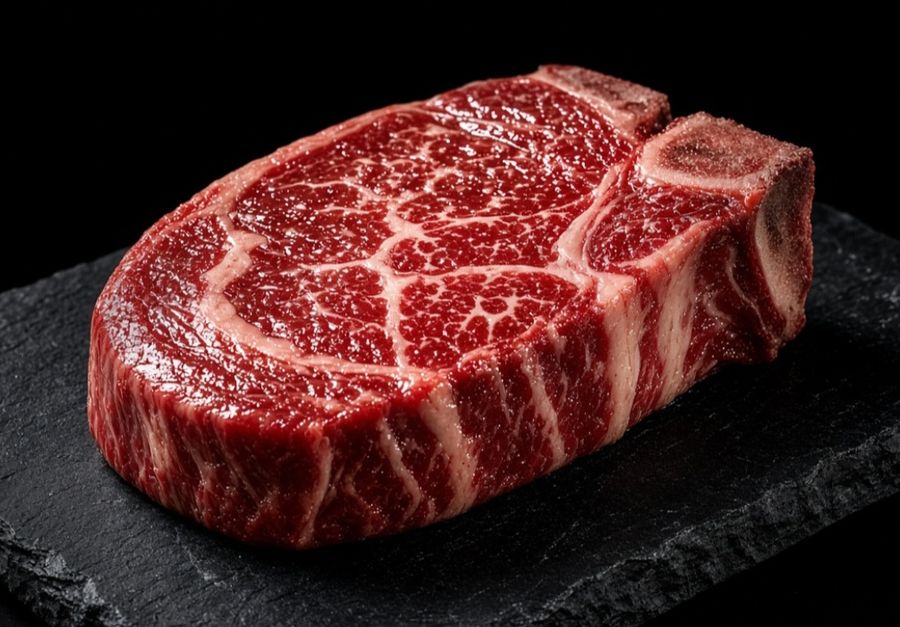
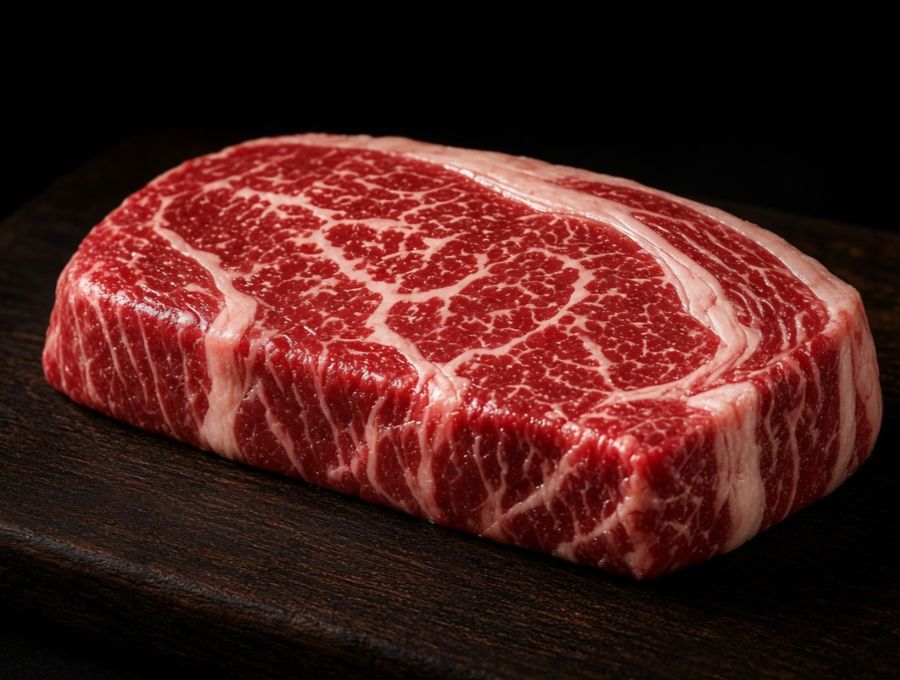
Marbling is the thin white fat running through the red meat. It isn't the thick fat around the edge. It's the fat inside the muscle.
When the steak cooks, that fat melts and bastes the meat from inside. That's where the juice, the tenderness and that rich, buttery flavour come from. More fine marbling usually means a better steak.
USDA grades: Prime vs Choice vs Select
In the US, the USDA grades beef mostly on marbling.
Prime: about the top few percent of beef. Lots of fine marbling. It's what serious steakhouses serve.
Choice: most supermarket steak. Some marbling. A good Choice ribeye can still be great.
Select: lean, with little marbling. Cheaper, and it dries out fast. I'd marinate it or skip it.
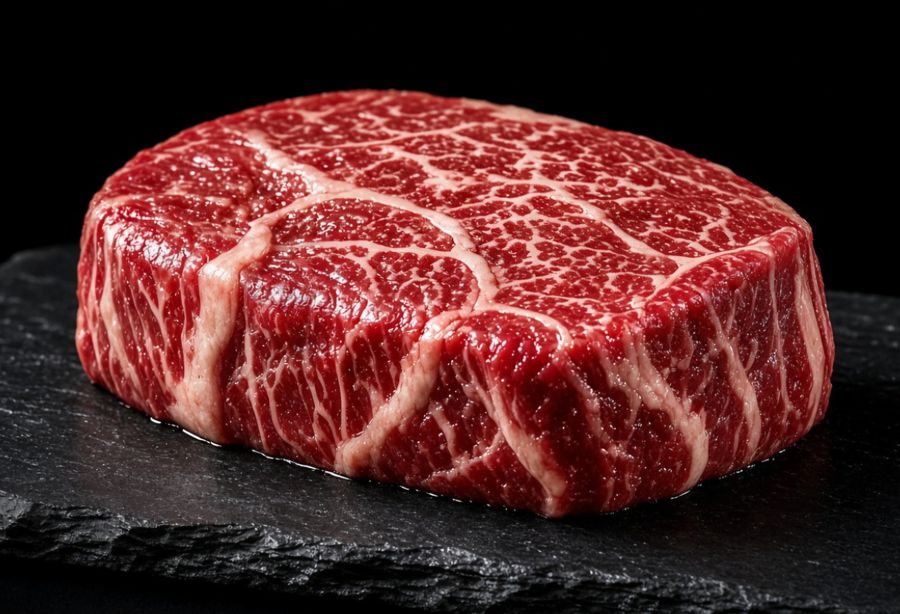
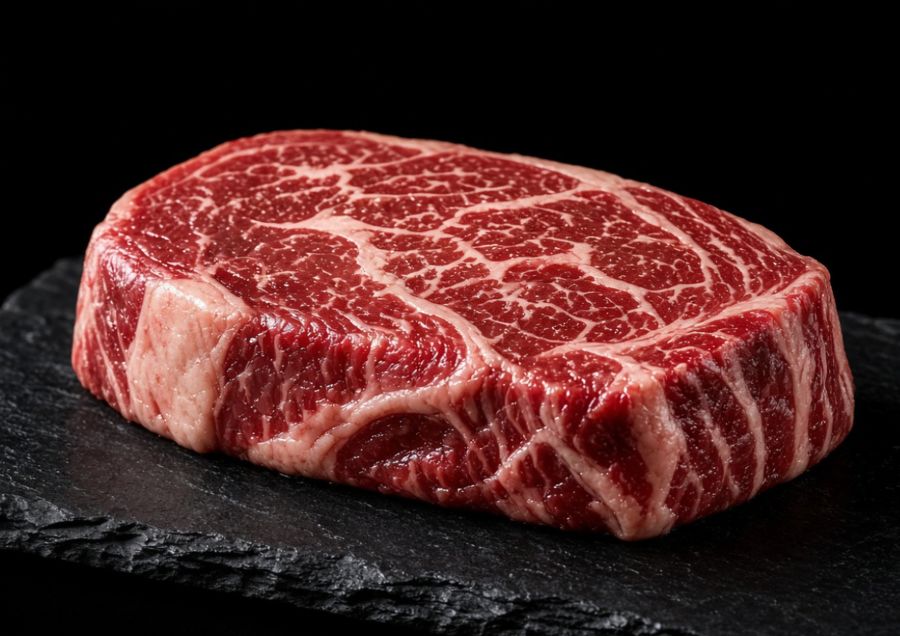
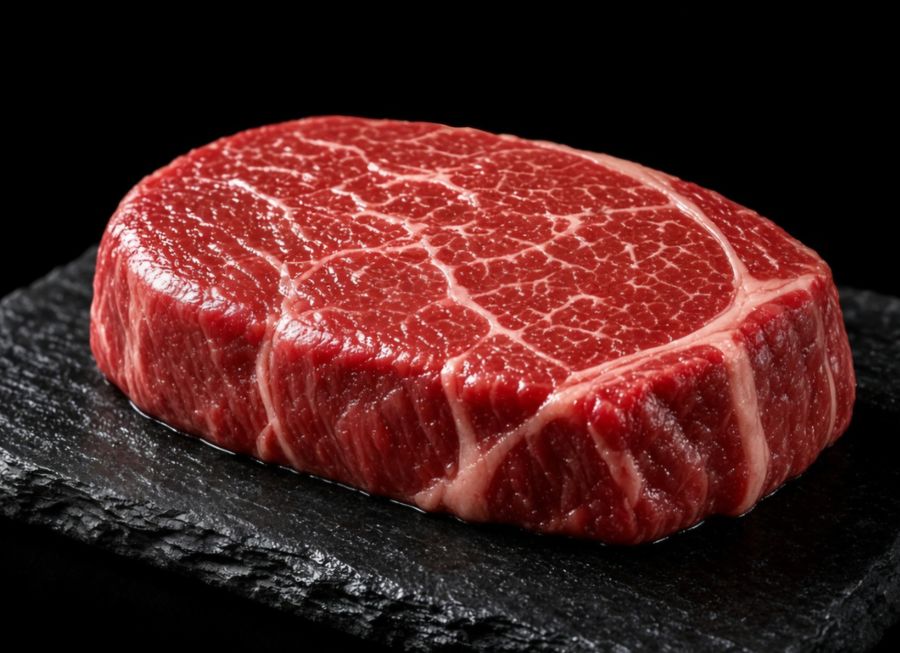
Tip: the grade is printed on the label or shield. If there's no grade, it's often Select or ungraded.
Japanese Wagyu: A5 and BMS, quickly
Japan grades its beef differently. The letter (A to C) is how much meat comes off the animal. The number (1 to 5) is quality, mostly marbling. A5 is the top.
Marbling is scored on the BMS scale, 1 to 12. USDA Prime starts around BMS 4 to 5. A5 Wagyu is BMS 8 to 12, with so much fat it looks almost pink.
Eat A5 in small pieces. It's so rich that a whole American-size steak is too much.
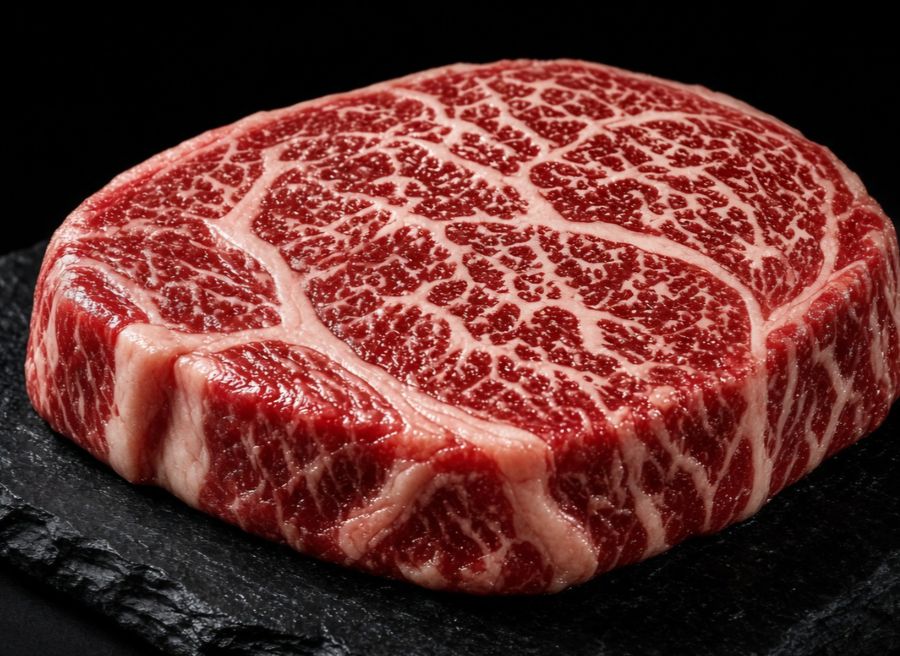
Good marbling vs bad marbling
Good: lots of thin white threads spread evenly across the whole face, like a spider web or fine lace.
Bad: a few big blobs or chunks of fat with bare red meat in between. Big chunks don't melt into the meat; you just cut them off.
Bare: no white flecks at all. It will cook up dry and plain unless it's a naturally lean cut like filet.
Color: what's fresh and what's not
Cherry red: fresh beef. Bright and clean.
Purple-red: fine. Vacuum-packed beef looks darker until it's opened and gets air. Give it 15 minutes.
Dark crimson with a dry crust: dry-aged beef. That's on purpose. The crust gets trimmed off, and the meat inside tastes nuttier and more intense.
Gray or brown all over, slimy, or smells sour: walk away. Don't buy it, don't cook it.
Cut by cut: what to look for
Ribeye
The richest steak there is. Cut from the rib, it has the most marbling of the everyday steaks.
Look for: fine white threads across the whole eye, and a thick 'cap' (the spinalis, the crescent along the top edge). That cap is the best bite on the cow.
Walk away if: one big lump of fat sits in the middle and the rest is bare red.
New York Strip
Beefier and firmer than a ribeye, with less fat. Cut from the short loin.
Look for: even flecks of marbling across the face and a neat fat strip along one side. Thick cut, at least an inch and a quarter.
Walk away if: the fat strip is thick but the meat itself is plain red. That fat won't help you.
Filet (Tenderloin)
The most tender steak, and the mildest. It's naturally lean, so don't expect much marbling.
Look for: a deep, even red, a tight round shape, and a cut at least an inch and a half thick so it doesn't overcook.
Walk away if: it's thin, ragged or wet in the packet. With a filet, tenderness is all you're paying for.
Porterhouse / T-Bone
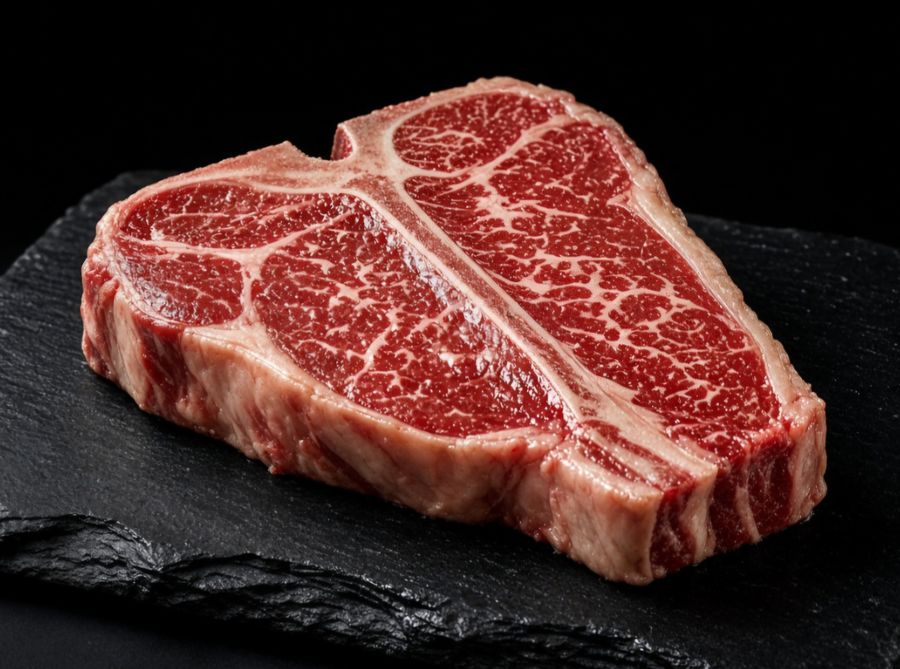
Two steaks in one: strip on one side of the T-shaped bone, filet on the other.
The difference: a porterhouse has a filet side at least an inch and a quarter wide. A T-bone has a smaller filet.
Look for: a decent-sized filet side, good marbling on the strip side, and a thick cut. Walk away if the filet side is a sliver.
Tomahawk
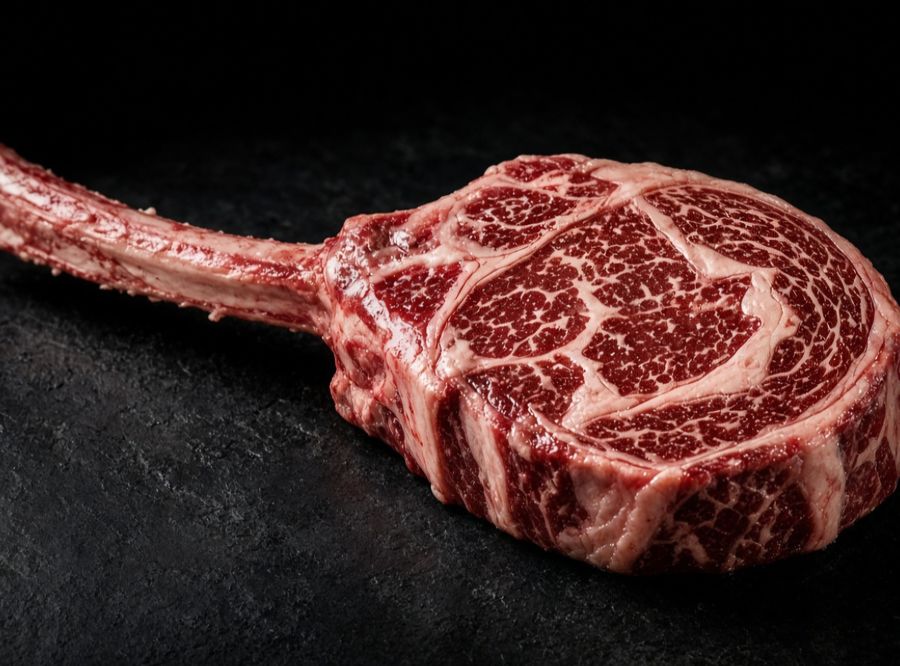
It's a bone-in ribeye with the whole rib bone left long. You're paying for the show.
Look for: the same things as a ribeye. Rich marbling, a fat cap, and at least 2 inches thick. Remember the bone weighs a lot, so you get less steak per pound.
Walk away if: it's a thin ribeye on a long bone. That's all show.
Picanha
The Brazilian favourite, from the top of the rump. Lean meat under a thick fat cap.
Look for: a fat cap about half an inch thick, bright white and even. Leave it on: it bastes the meat on the grill. Slice against the grain.
Walk away if: the cap's been trimmed off, or it's yellow and patchy.
Skirt and Flank
Thin, long, beefy cuts with lots of flavour. Skirt is fattier and looser. Flank is leaner and tighter.
Look for: clear, even grain lines, a good red colour, and some fat between the fibres on skirt.
How to cook: hot and fast, no more than medium-rare, and always slice thin against the grain. Otherwise it's chewy.
You don't need expensive kit for a great steak at home. These cheap basics do most of the work. Prices change, so check the current price on Amazon. As an Amazon Associate I earn from qualifying purchases.
Most ruined steaks come from guessing. Use an instant-read thermometer. For food safety, USDA recommends cooking whole beef steaks to at least 145°F before removing them from the heat, then resting them for at least three minutes. If you buy one thing, buy this.
See it on AmazonThe classic garlic and coarse pepper rub that steakhouse regulars know. It already has salt in it, so go easy on extra.
See it on AmazonCoarse, flaky salt that grips the meat. Salt an hour ahead, or overnight in the fridge, and the crust gets better.
See it on AmazonMade in the USA, seasoned out of the box, and it holds serious heat. That's most of what a hard sear needs.
See it on AmazonSharp serrated Swiss blades that go in the dishwasher. They cut clean without the fancy-set price tag.
See it on AmazonWant to splurge? Wüsthof Classic 4-piece steak knives · Shun Premier 4-piece steak knives · FINEX 12-inch cast iron skillet · Le Creuset 11.75-inch enameled skillet